



Kia vs. Hyundai: Which One Should You Choose?

Site: Southern Hyundai Newport News
Title: Kia vs. Hyundai: Which One Should You Choose?
Photo Source/Copyright: Hyundai Photo Source/Copyright: Kia
Are Kia and Hyundai actually different cars under the skin? Yes, despite sharing the same platform, they target different drivers, with Hyundai delivering superior cabin refinement. Imagine gliding down a coarse concrete highway on a stormy morning; a Hyundai filters out harsh vibrations, transforming a chaotic commute into a serene, reassuring haven.
Overview
- Corporate History: A late-1990s restructuring created a shared-platform model while preserving distinct brand identities.
- Segment Exclusives: Lineups vary, with unique offerings such as open-bed SUVs versus family minivans.
- Quality Ratings: J.D. Power’s initial quality scores place Hyundai on the podium over its sibling brand.
- Asset Protection: Both automakers offer exceptional durability, matching powertrain warranties, and excellent long-term protection.
Side-by-Side Feature Comparison
| Evaluation Metric | Hyundai Focus | Kia Focus |
|---|---|---|
| Initial Quality Study | 3rd Place Overall | 5th Place Ranking |
| Segment Exclusives | Open-Bed SUV (Santa Cruz) | Family Minivan (Carnival) |
| Interior Layout | Elegant and Practical | Dual-Screen Cockpit |
| Anti-Perforation Warranty | 7 Years / Unlimited | 5 Years / 100,000 Miles |
| Powertrain Protection | 10 Years / 100,000 Miles | 10 Years / 100,000 Miles |
| NHTSA Recall Completion | Strong Completion (~61%) | Lower Average (~52%) |
Structural History and Exclusive Vehicle Segments
Shared Foundations, Unique Expressions
How did these brands become related? A late-1990s financial restructuring established their platform-sharing relationship under the parent company, Hyundai. This “together yet apart” approach lowers production costs, letting Hyundai invest in upscale cabin materials and compliant suspension systems that maximize ride comfort.
Separate Lineup Strategies
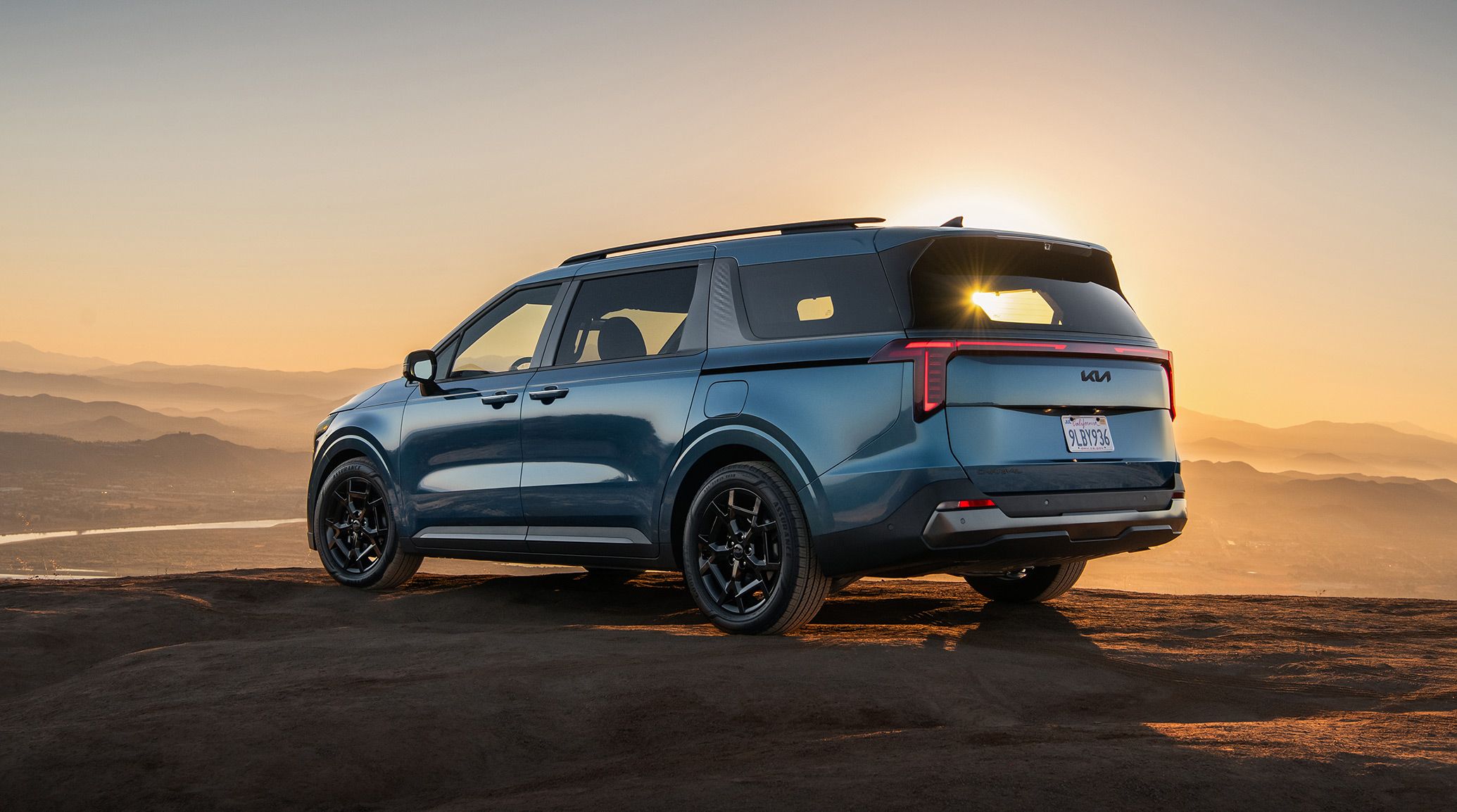
Do they offer identical vehicles? No, each brand features segment exclusives. Hyundai engineered the Santa Cruz open-bed SUV to combine urban agility with weekend utility. On the other hand, Kia offers the Carnival minivan.
- Key Takeaway: Hyundai’s lineup uniquely caters to active drivers prioritizing flexible versatility.
Evaluating Quality Scores and Financial Value
Third-Party Quality Rankings
Which brand wins in initial build quality? Hyundai captures a podium finish at third place overall in J.D. Power initial quality studies, outperforming Kia’s fifth-place ranking.
- Key Takeaway: This data underscores Hyundai’s painstaking factory fortitude, resulting in fewer consumer-reported defects within 90 days.
Cabin Dynamics and Layouts
What distinguishes the interior experiences? Hyundai emphasizes a straightforward, elegant layout concentrating on pragmatism, physical buttons, and calmness. Kia crafts a futuristic, dual-screen cockpit that can feel visually cluttered.
- Key Takeaway: Hyundai’s design ensures drivers spend less time menu-diving and more time focused safely on the road.
Long-Term Protection and Depreciation
Which brand retains value better? Historically, Kia has maintained a narrow edge in resale value due to its styling popularity. However, Hyundai offsets this minor depreciation gap with a seven-year, unlimited-mile anti-perforation warranty.
- Key Takeaway: NHTSA data shows that Hyundai maintains a higher recall completion rate of 61 percent compared to Kia’s 52 percent, proving that Hyundai proactively safeguards your vehicle in the long term.
Daily Endurance and Benchmark Warranty Protections
Real-World Durability
Can these vehicles endure severe daily driving? Both brands exhibit exceptional durability during grueling commutes and intense climates.
- Key Takeaway: Hyundai uses advanced high-strength steel alloys in its chassis to resist structural weakening, delivering a tighter, quieter cabin over the long term.
Peace of Mind Metrics
What warranty protects your investment? Both manufacturers provide identical, industry-leading powertrain safeguards covering components for 10 years or 100,000 miles.
- Key Takeaway: Hyundai pairs this with superior rust-through protection, ensuring structural integrity in corrosive winter environments.
Aligning Your Choice with Your Lifestyle
Hyundai and Kia both make strong cases, but Hyundai is the more polished fit when comfort, quality signals, and long-term value matter most. Kia still offers plenty of style and space, yet Hyundai’s steadier design and stronger recent data make it the calmer, more confident choice for many shoppers.
More from Southern Hyundai Newport News
Should You Choose The Elantra N Line?
Photo Source/Copyright: Edmunds N Line or N? One letter, two very different cars, and the showroom floor doesn’t always make that distinction obvious. The Hyundai Elantra N Line is the sport trim of the standard compact sedan, tuned and equipped for drivers who want responsive handling on their daily commute. The N is a…
Secrets Behind Hyundai Kona Gas Mileage Revealed
Photo Source/Copyright: Hyundai USA If you’re shopping for a subcompact crossover, odds are high that fuel economy sits right at the top of your checklist. The Hyundai Kona addresses this need directly with a headline figure of 31 miles per gallon (MPG) combined (and up to 35 MPG on the highway) in its…
Hyundai Santa Fe Interior Size: Full Guide
Photo Source/Copyright: Hyundai USA Three rows in a midsize SUV usually means somebody’s knees pay for it. Hyundai took a distinct route with the Santa Fe: a squared-off roofline, upright rear glass, and a tailgate opening wide enough to swallow a flat-pack bookshelf without any wrestling. Shoppers researching Hyundai Santa Fe interior size…